Wash service
Fence & Deck Restoration
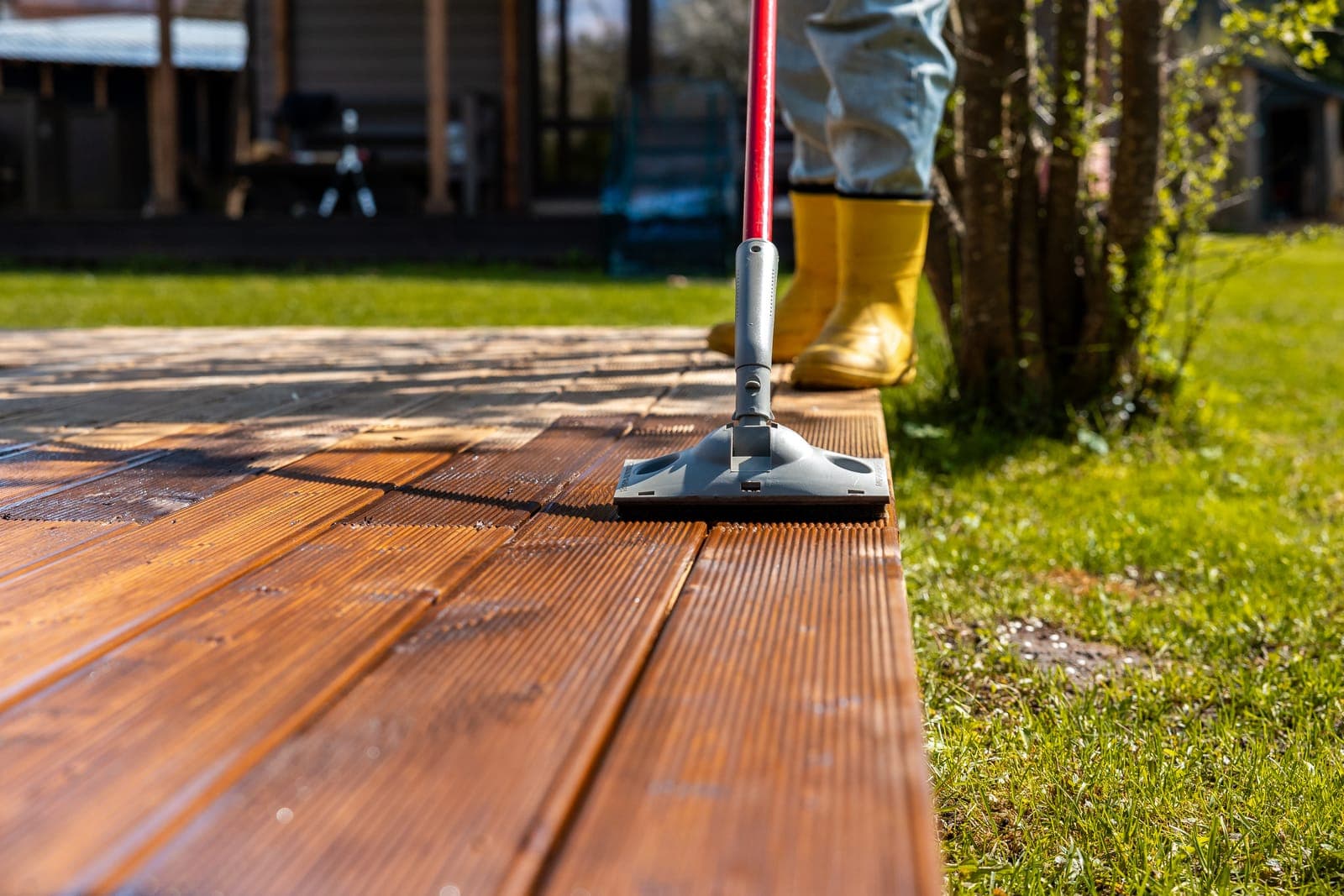
Cleaning, brightening, and optional sealing for wood fences and decks. Low pressure and the correct chemistry so the grain is not furred, plus a neutralizing brightener that restores color instead of leaving wood bleached.
From $249 · Cleaning and brightening sits at the low-to-middle end. Sealing adds substantially and requires a second visit. Heavily weathered wood needing extended dwell, intricate railings and balusters, lattice, multi-level decks, and stairs all raise the per-foot figure because the labor is in the detail work, not the open field.
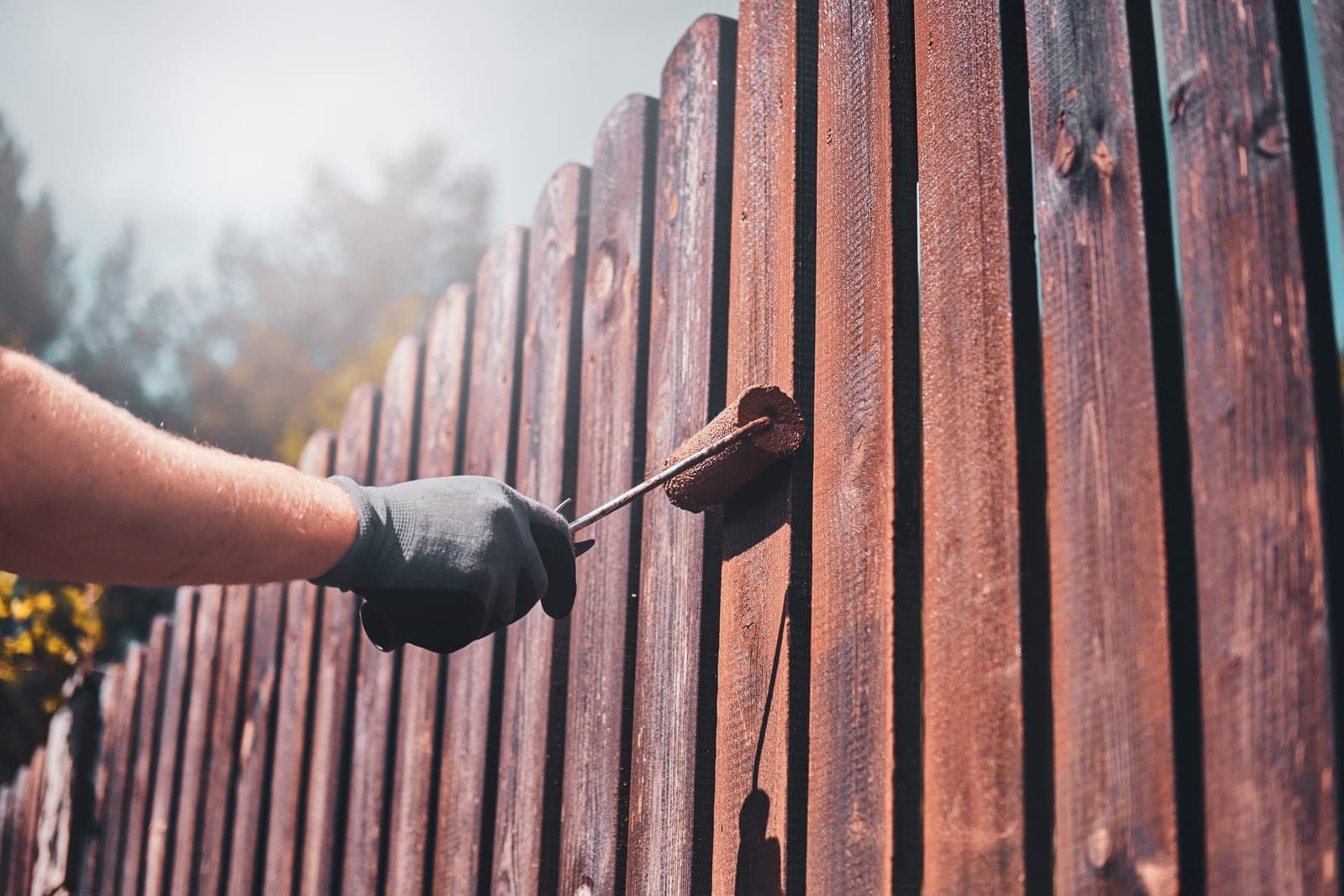
Wood goes grey because UV breaks down lignin at the surface while mildew colonizes the softened fibers. The grey layer is only a fraction of a millimeter deep — the wood underneath is usually fine. That is why restoration works so dramatically on a fence people had already written off, and why the results look like replacement rather than cleaning.
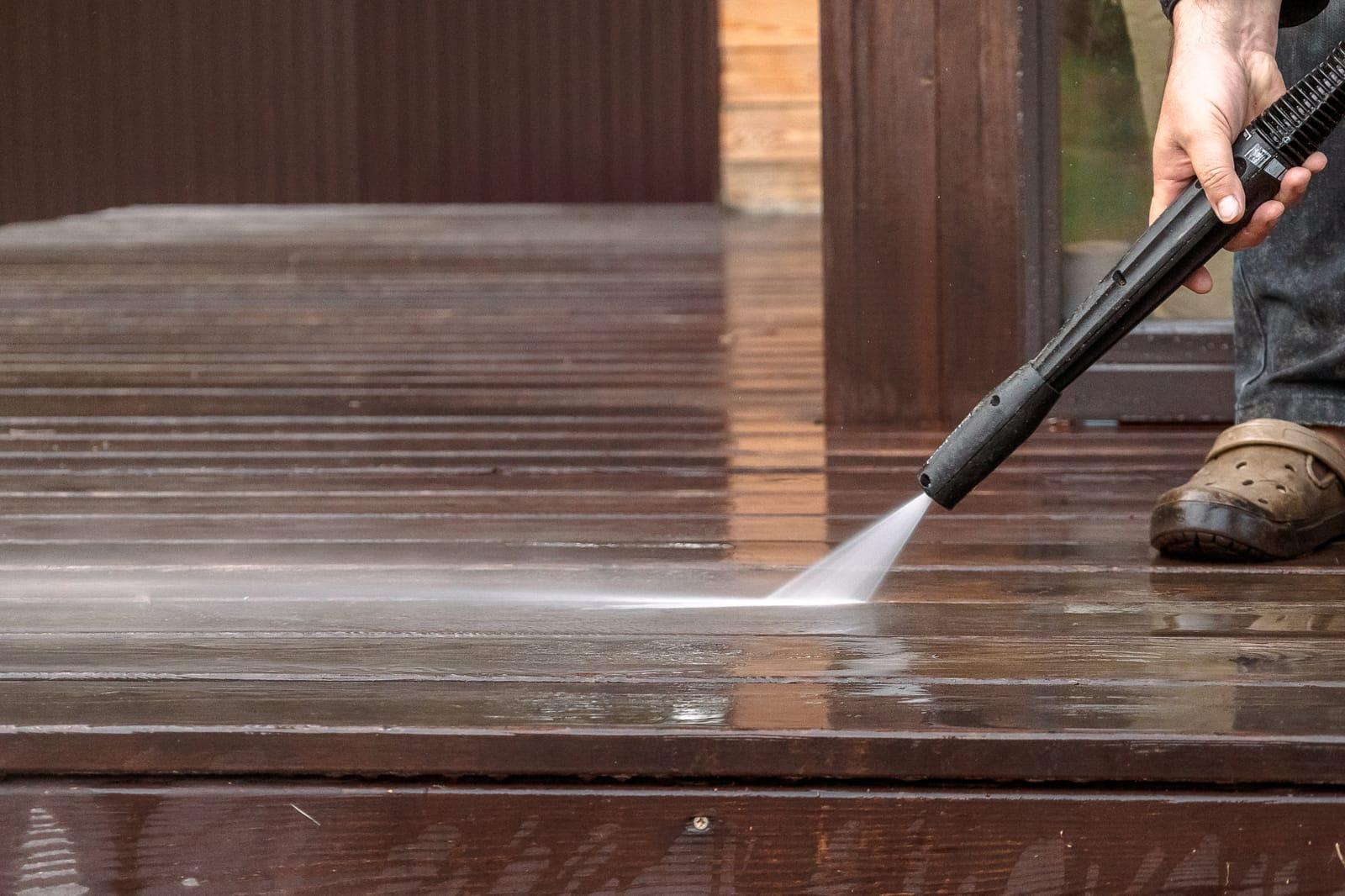
It is also the surface where pressure does the most visible damage. Wood is soft, and high-pressure water tears the fibers rather than cleaning them, leaving a furry, splintered surface that looks bright for a week, holds dirt worse than before, and will not take a sealer evenly. Once wood is furred, the only fix is sanding.
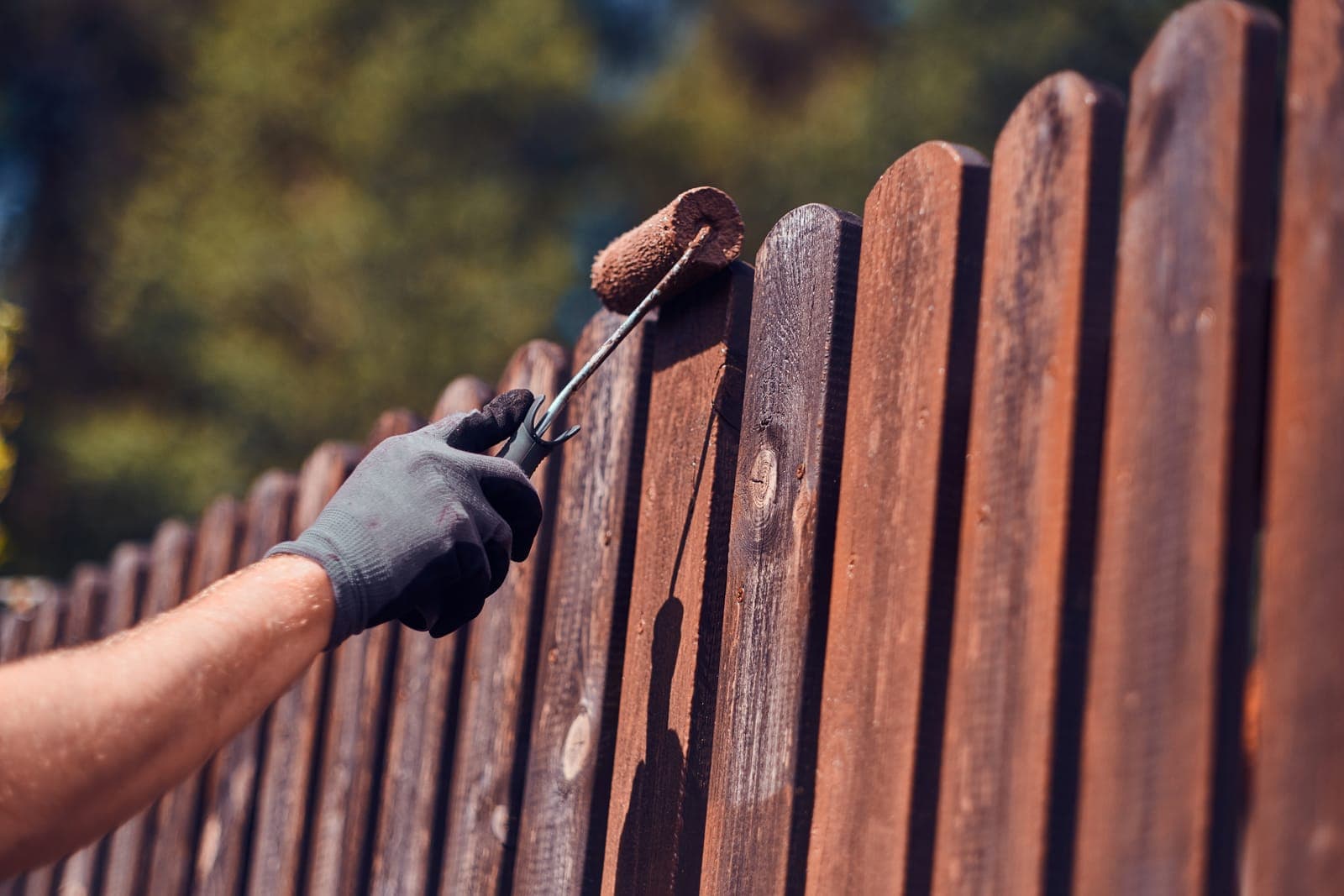
Clean, then brighten — two steps, not one
Most crews do half this job. Cleaning uses an alkaline product — usually sodium hydroxide or percarbonate based — to break down the grey oxidized layer and kill mildew. That leaves the wood clean but alkaline and often looking washed out or slightly darkened, and a sealer applied to alkaline wood will not bond properly.
The second step is where the color comes back. An oxalic acid brightener neutralizes the pH, pulls out the tannin darkening and any iron staining around nails and screws, and restores the natural tone of the wood. Skip it and you get a clean fence that looks bleached and a sealer that fails early. It takes twenty extra minutes and it is the difference between a fence that looks cleaned and one that looks restored.
Sealing, and the dry window
Unsealed wood in South Texas has a hard life. Our UV index is high most of the year and our humidity keeps moisture cycling through the grain. Sealing after restoration is what makes the work last two or three years instead of one.
Sealer needs dry wood — typically 48 hours after cleaning, longer in humid weather. We check moisture content rather than guessing, because sealer applied over wet wood traps that moisture in the grain and fails in sheets. That means fence and deck restoration is usually two visits, and anyone who offers to clean and seal in a single afternoon is doing one of those two things wrong.
Composite decking
Composite does not go grey but it does grow mildew in the embossed grain pattern, especially on shaded boards. It cleans with a much gentler approach and no brightener, and it needs no sealer. The mistake we see most often on composite is pressure that melts or scars the surface, which is permanent — the material has a limit well below what wood tolerates.
Before and after
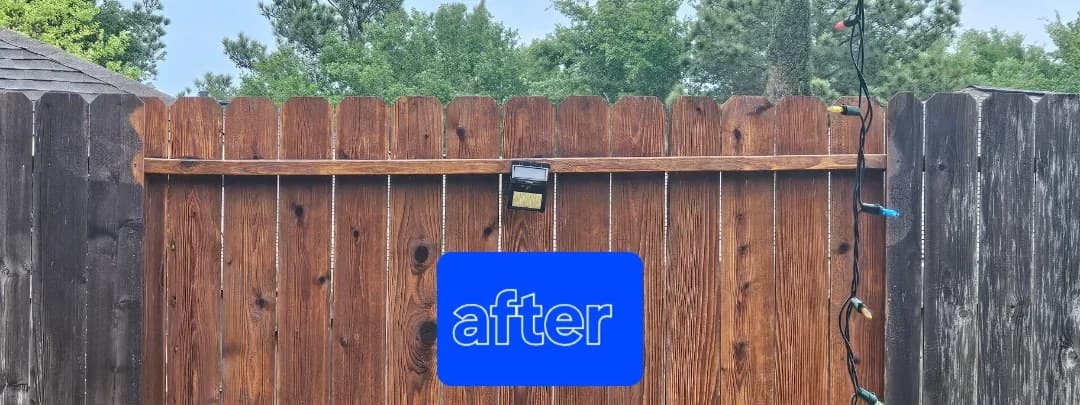
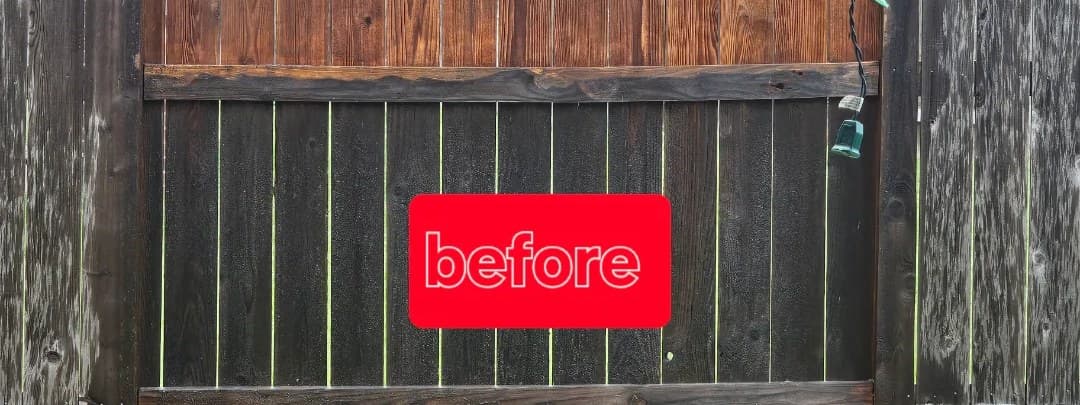
Soft washed and brightened — the warm grain in the after is the wood that was under the black growth, not a stain coat.
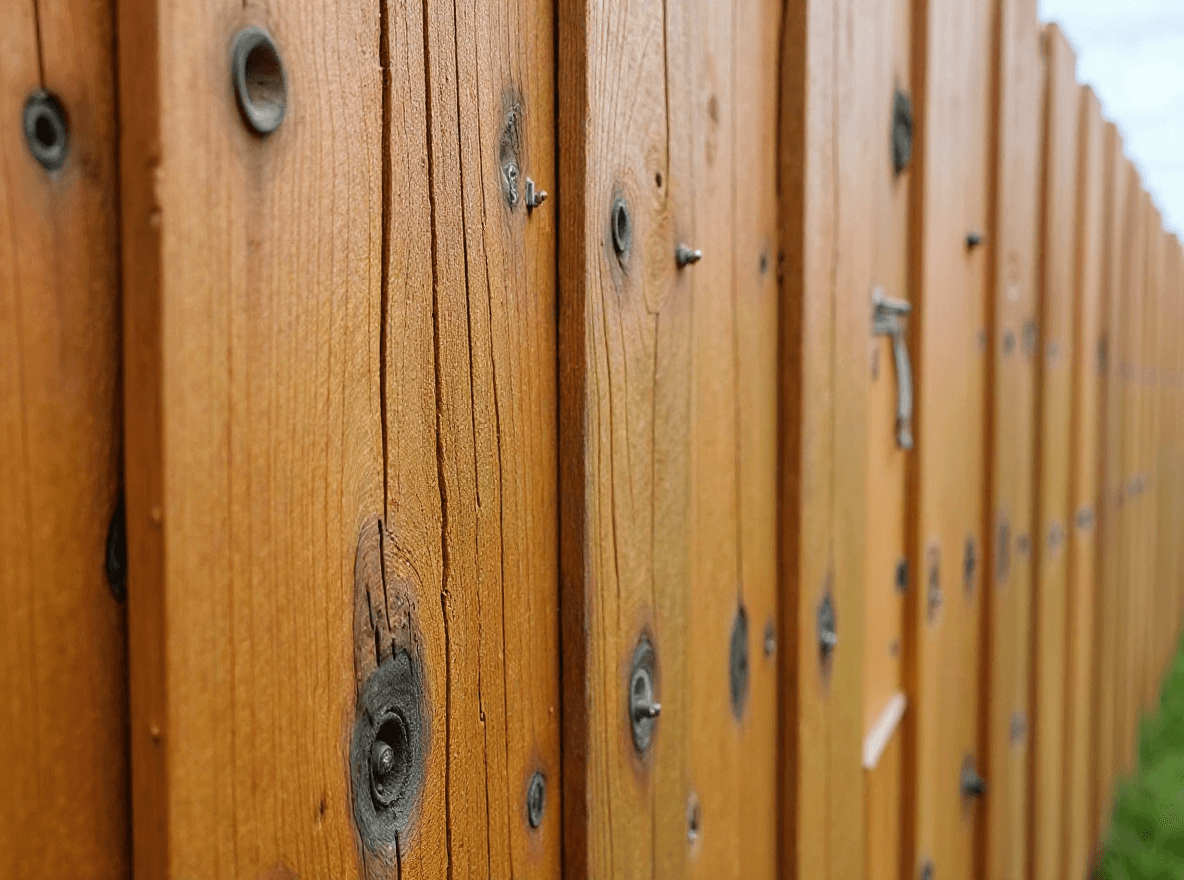
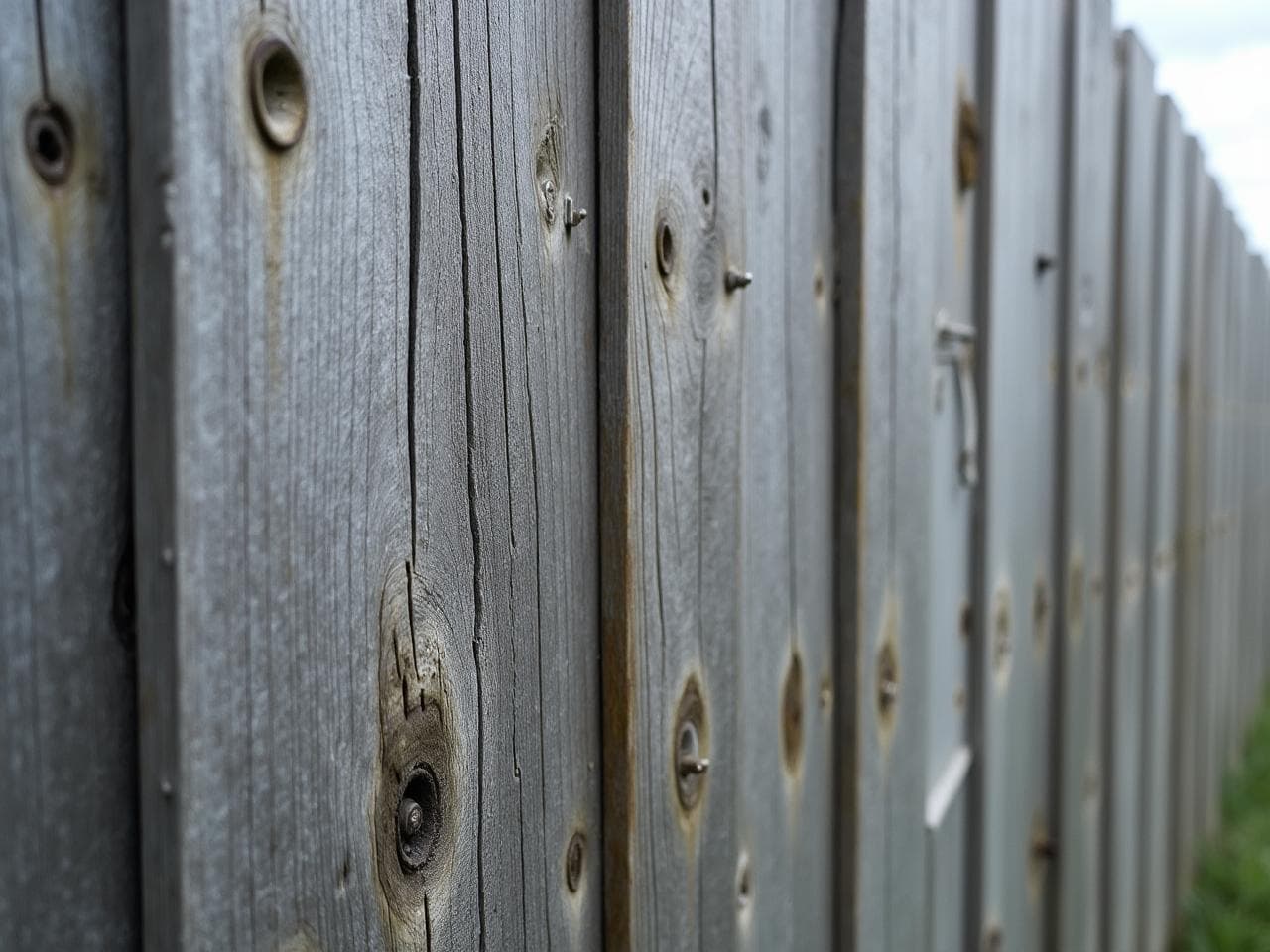
Cleaned, then brightened with oxalic acid — that second step is what pulls the black iron bleed out and brings the natural color back.
Why this matters here
South Texas UV is punishing on unsealed wood — a fence here greys visibly faster than the same fence would in a cooler, cloudier climate, and our humidity keeps moisture cycling through the grain year-round. Cedar and pine privacy fences dominate residential Coastal Bend properties, and the ones within reach of bay wind pick up salt that accelerates fastener corrosion, which is where the black iron staining around nail heads comes from. Decks near the water also collect a salt film that holds moisture against boards. The dry window before sealing is genuinely harder to find here than in most of the country, which is why we check moisture rather than counting days on a calendar.
How a visit runs
- 01
Assess boards and fasteners
We identify the wood, note rotten or cupped boards, popped nails, and loose pickets, and tell you which boards will not come back. Restoring around a rotten board is wasted money.
- 02
Protect surroundings
Plants soaked, adjacent siding and concrete masked or pre-wet, hardware covered where it could stain.
- 03
Apply cleaner and dwell
An alkaline wood cleaner to break down the grey oxidized layer and kill mildew, kept wet through the dwell so it works evenly rather than in patches.
Dwell 10–15 min - 04
Rinse at wood-safe pressure
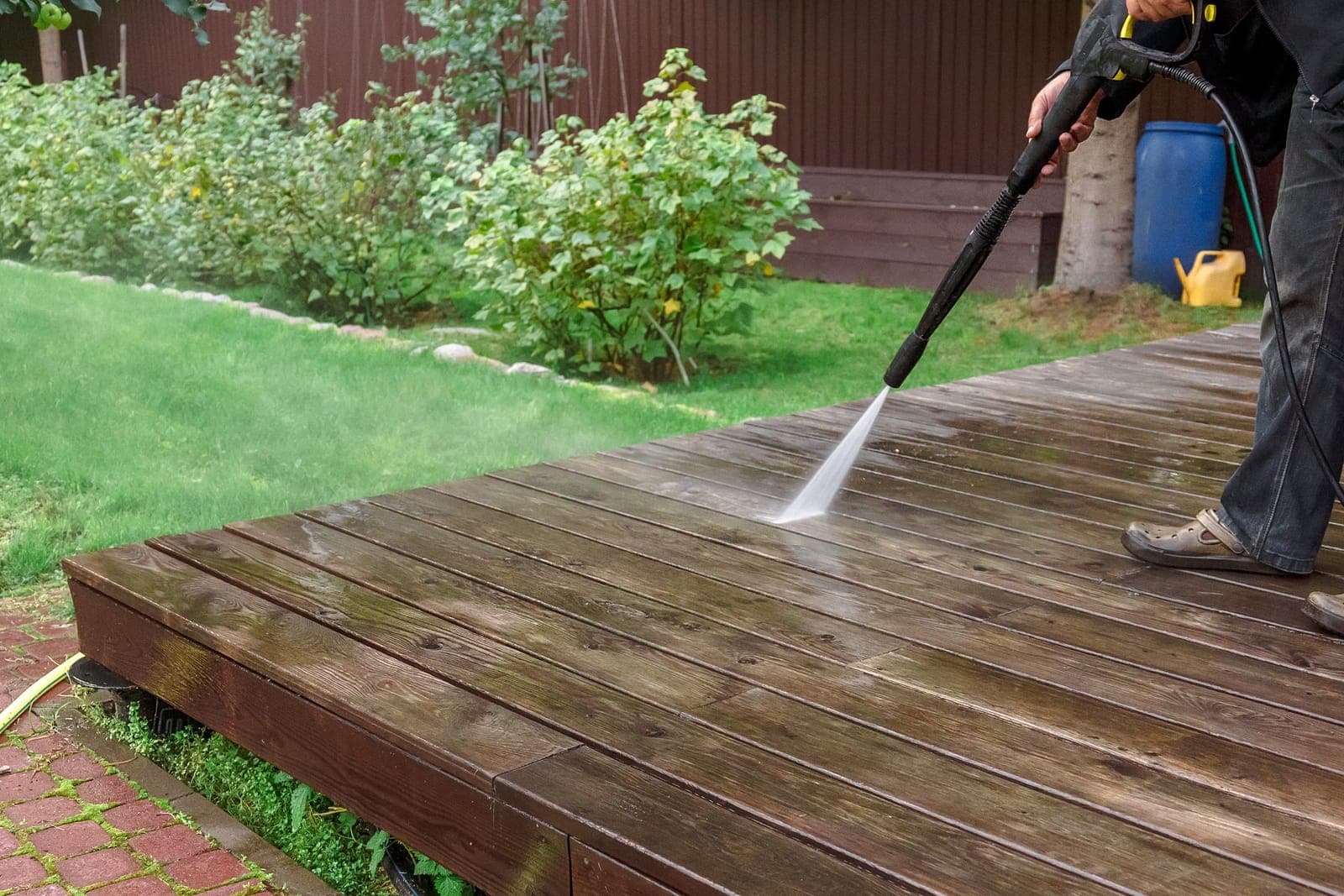
Low pressure with a wide fan tip, held at consistent distance, moving with the grain. Enough to carry the broken-down layer away and not enough to raise the fibers.
500–1,200 PSI · 40° tip - 05
Brighten and neutralize
Oxalic acid brightener to neutralize pH, pull tannin darkening and iron staining around fasteners, and bring the natural color back. This is the step that separates restored from merely clean.
- 06
Dry, verify moisture, then seal
A second visit after a 48-hour-plus dry window. We check moisture content before sealing, because sealer over damp wood traps moisture and peels in sheets.
48+ hr dry, moisture verified
Scope
Included
- Board and fastener condition assessment
- Alkaline cleaning to remove the grey oxidized layer and kill mildew
- Low-pressure wood-safe rinse with the grain
- Oxalic acid brightening and pH neutralization
- Plant and adjacent-surface protection
- Full cleanup and debris removal
Not included
- Board replacement or carpentry repair
- Sealer or stain (priced separately, requires a second visit)
- Staining over an existing failing finish without stripping first
- Painting
- Structural evaluation of a deck frame or footings
Questions about fence & deck
Almost always, and it is the most dramatic result we produce. The grey is a fraction of a millimeter deep — UV-degraded lignin plus mildew on softened surface fibers. The wood beneath is usually sound. Rotten, cupped, or splitting boards are a different story and we will point those out first.