Lawn service
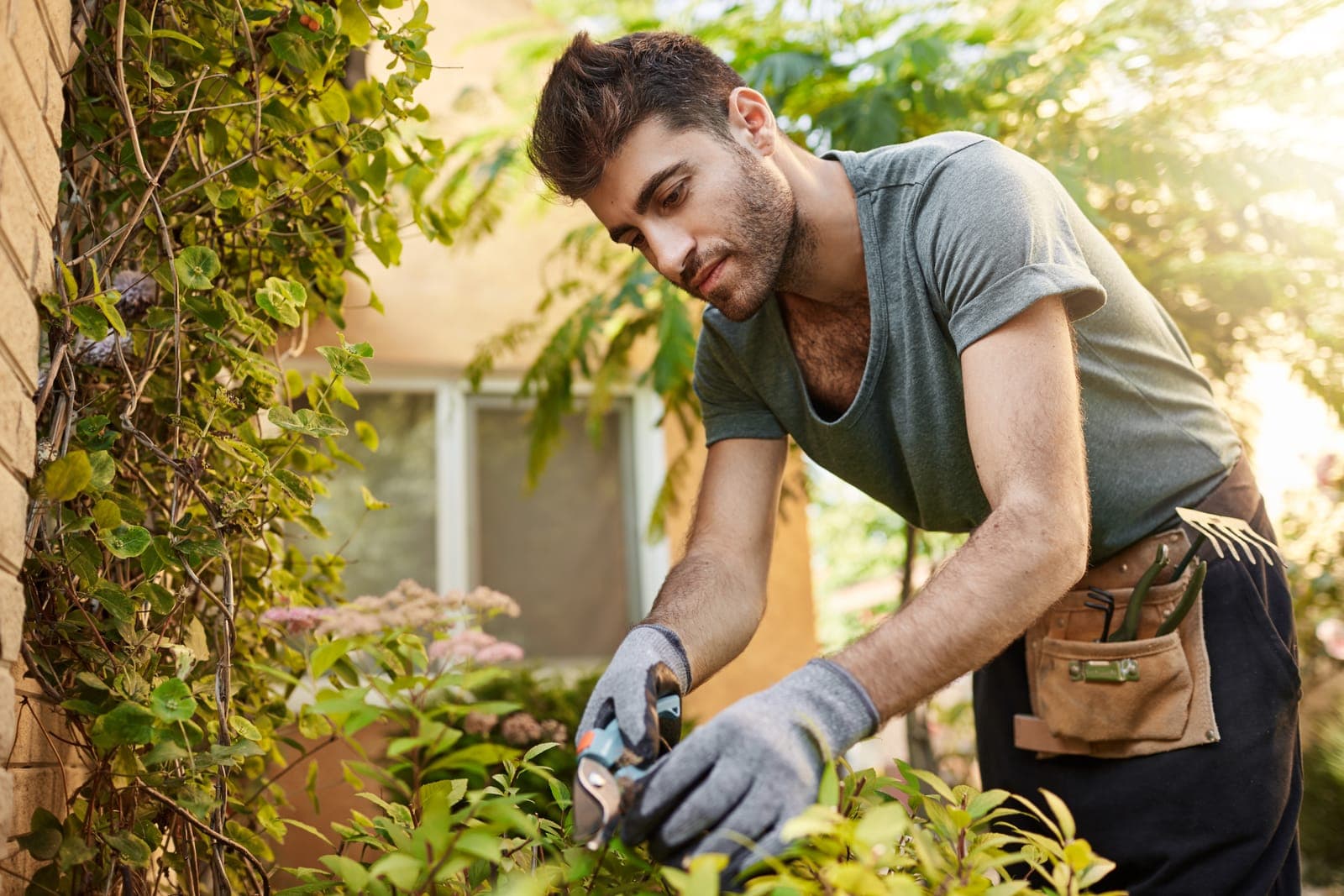
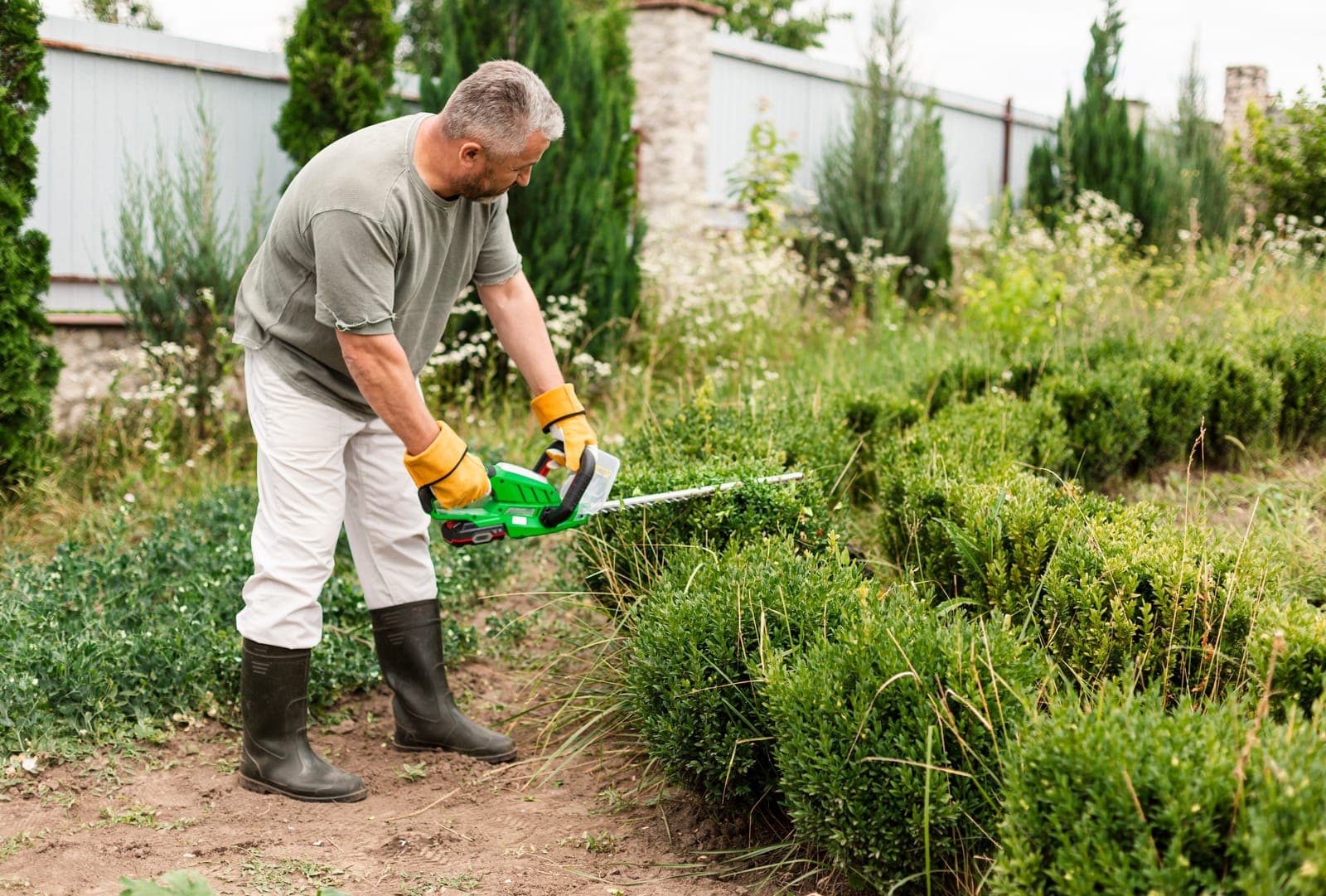
Landscaping Design & Installation
Custom landscape design and installation using plants that actually survive a South Texas summer without a daily hose. Beds, borders, mulch, stone, and drainage that works when we get four inches of rain in an hour.
From $450 · Small bed refreshes with new plants and mulch land at the low end. Full front-yard redesigns with hardscape, drainage correction, and mature stock reach the top. Plant material, stone, and soil volume are the biggest drivers — labor is usually the smaller half of a landscape bill.
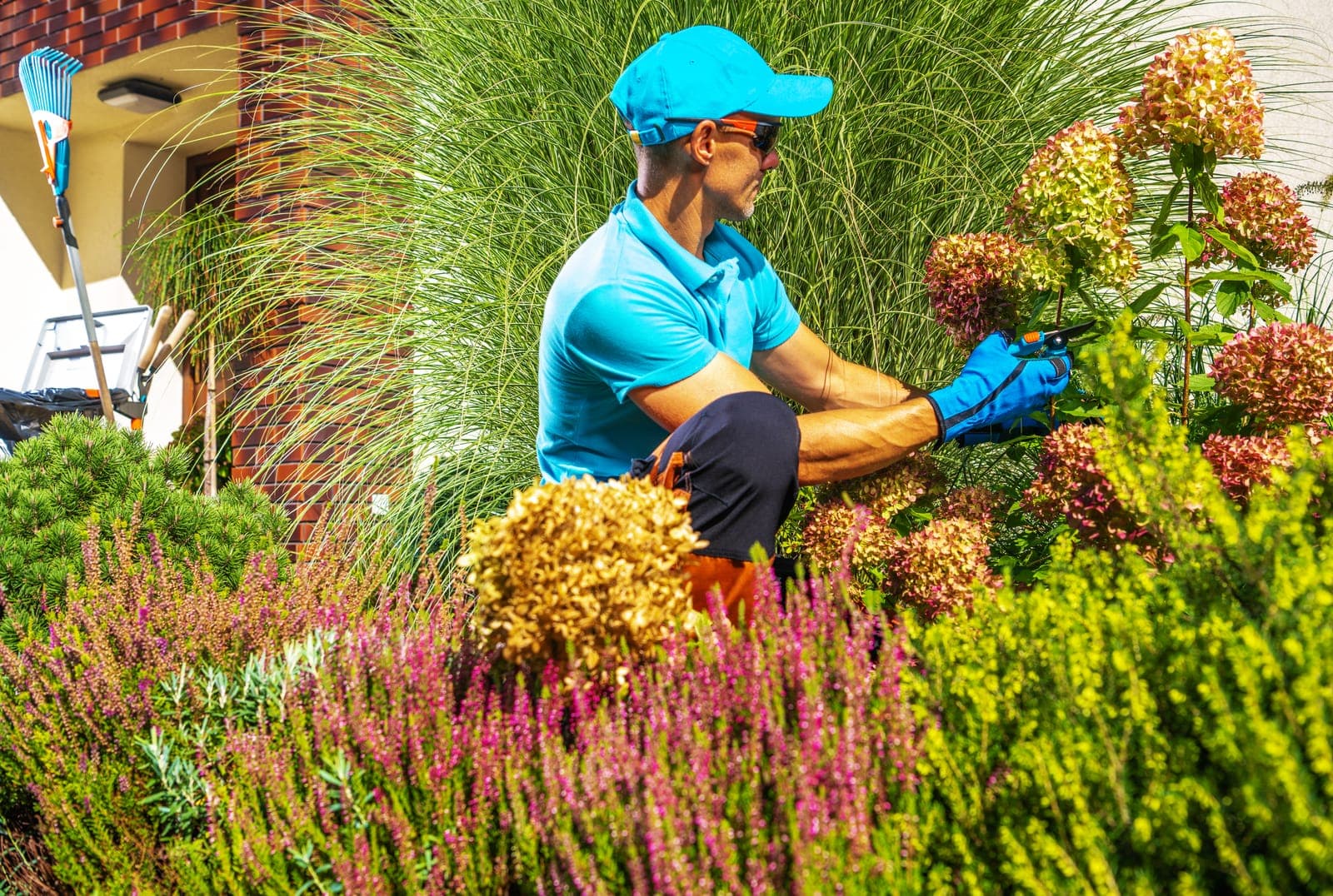
Most disappointing landscaping in this region fails for one of two reasons: somebody planted something that cannot take our summer, or somebody built a bed that traps water against a foundation. Both are avoidable at the design stage and expensive to correct afterwards.
We design around what thrives here unattended. Not a desert of gravel and three yuccas — a full, layered planting that happens to be made of things adapted to alkaline soil, hard sun, salt in the air, and a wet season that arrives all at once. Done right, it fills in over two seasons and needs a fraction of the water a lawn does.
Plants that earn their place
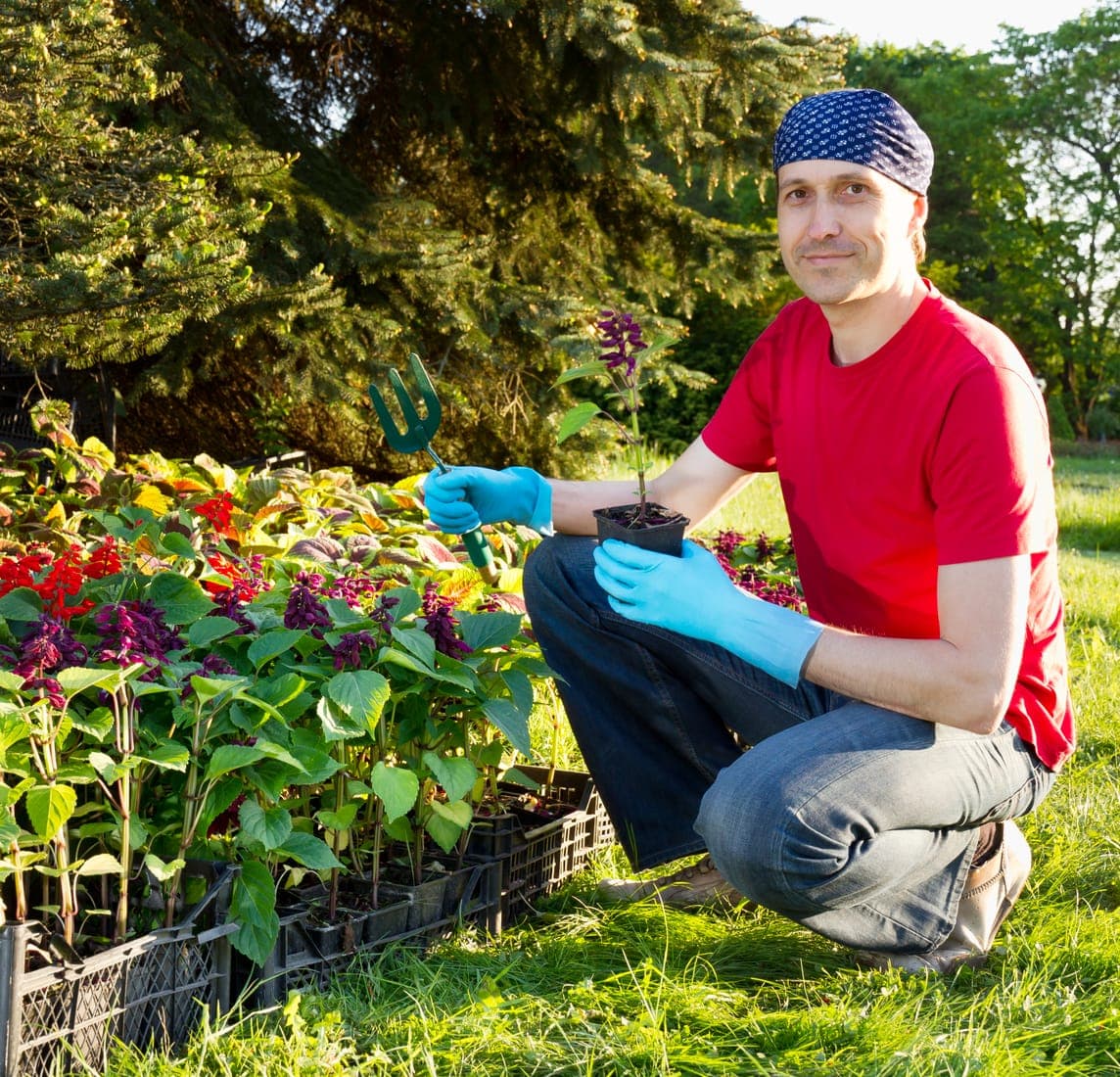
The reliable performers here are the ones you see thriving in neglected medians and old properties: dwarf yaupon and Texas sage for structure, esperanza and plumbago for color that runs all summer, lantana and salvia for volume and pollinators, muhly and gulf muhly for movement and winter texture, agave and sotol for architecture, and crossvine or coral honeysuckle where something needs to climb.
Near the water we tighten the list further. Oleander, palmetto, yucca, and lantana handle salt spray. Anything with thin, tender new growth burns at a property line within a few hundred yards of open bay, so we put the tough material on the windward side and the softer material behind it.
Beds, edges, and mulch depth
A bed is a piece of construction, not a shape in the grass. We cut a defined trench edge or set a hard border so the bed holds its line against St. Augustine, which will run into it aggressively given any opening. We amend the planting soil — most lots here are heavy clay or caliche that drains slowly and locks up nutrients — and we set plants at the depth they want rather than the depth the pot suggests.
Mulch goes down at three inches. Less than that and it does not hold moisture or block light. More than that against a trunk and you invite rot and rodents. It gets pulled back from stems, not piled against them, and never volcanoed around a tree.
Where the water goes
This is the part homeowners rarely ask about and always regret ignoring. When a tropical system parks over the Coastal Bend and drops several inches in an hour, every bed grade and every bit of hardscape either moves that water away from your foundation or holds it against it.
We grade beds to fall away from the house, keep soil below the slab line, use permeable material where a large area would otherwise shed everything at once, and add a dry creek or a French drain where a low spot has nowhere to go. A beautiful bed that ponds against a foundation is a liability, and we will say so before we build it.
Hardscape
Stone borders, paver walkways, small patios, gravel paths, boulder placement, tree rings, and raised beds. Set on a proper compacted base with edge restraint so the surface does not migrate the first time our soil swells and shrinks through a wet-dry cycle. Clay here moves a lot seasonally, and hardscape laid straight onto dirt shows it within a year.
Before and after
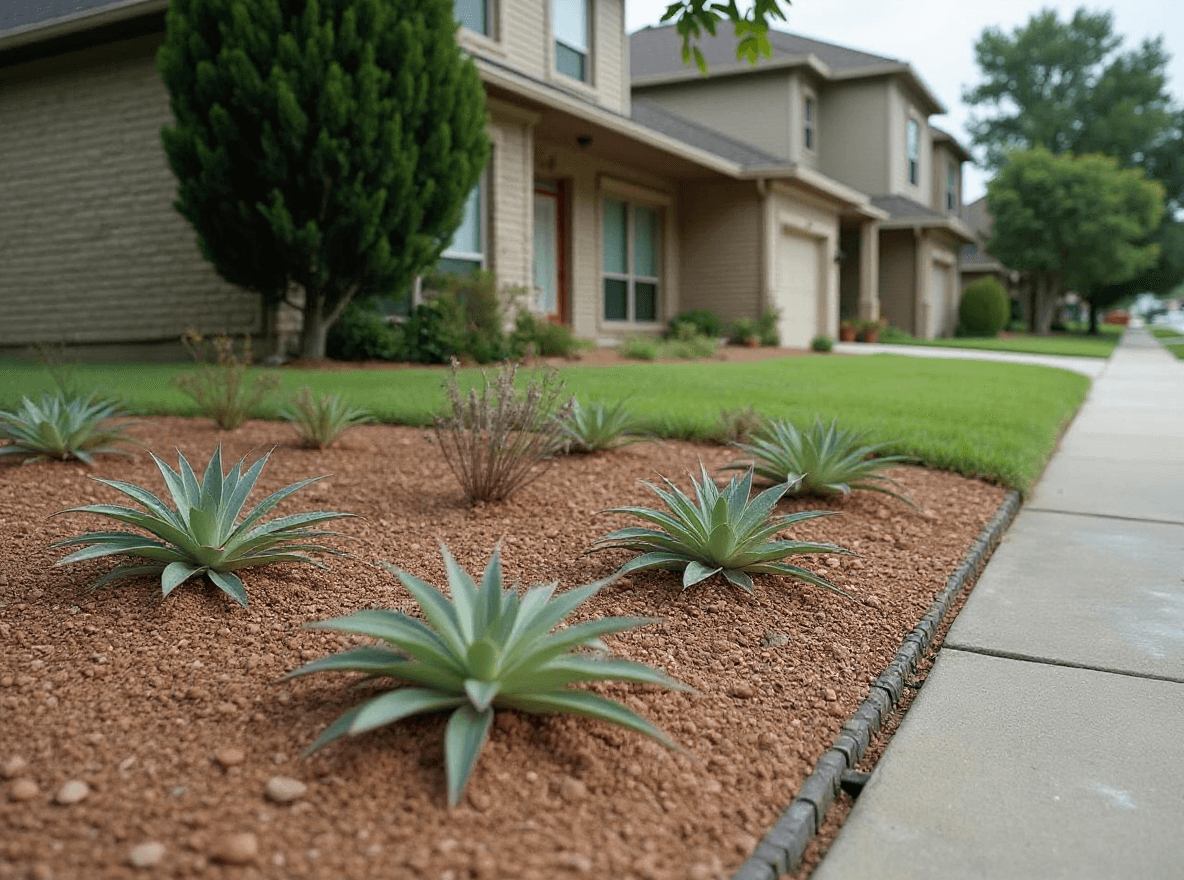
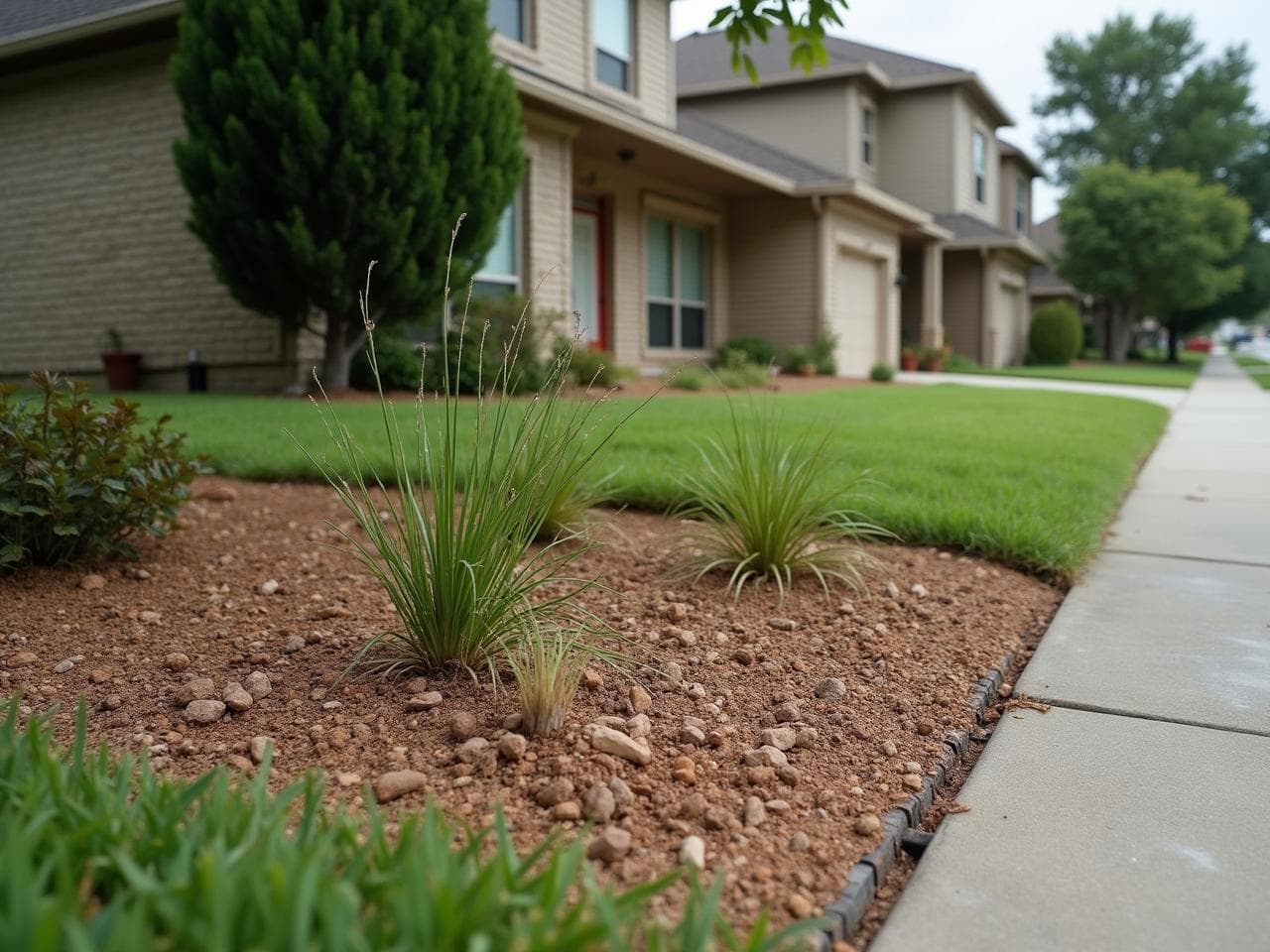
Defined trench edge to hold the line against St. Augustine, amended clay soil, and three inches of mulch pulled back from the stems.
Why this matters here
Soil across most of the Coastal Bend is heavy clay or caliche — slow-draining, alkaline, and prone to locking up iron, which is why so many local shrubs look chlorotic and yellow-veined. Amendment is not optional here. Lots inside a few hundred yards of open bay water get steady salt-laden wind that burns tender new growth on the windward side first, so plant placement matters as much as plant choice. And every design has to survive the reverse problem: a tropical system that drops several inches in an hour and finds out exactly how your beds drain.
How a visit runs
- 01
Site read and conversation
We walk the property, note sun exposure through the day, check how water currently moves across it, dig to see what the soil actually is, and find out how much maintenance you genuinely want to do. That last answer changes the whole design.
- 02
Plan and plant list
A layout with a specific plant list, mature sizes, quantities, and material spec — so you know what it looks like in year three, not just on installation day.
- 03
Prep and grade
Remove existing material, define bed lines, amend soil, and set grade so water falls away from the structure. Nothing gets planted until the dirt is right.
- 04
Hardscape first, then plants
Borders, paths, and stone go in before planting so nothing new gets trampled or re-dug. Base material compacted, edge restraint set.
- 05
Plant, mulch, water in
Set at correct depth and spacing for mature size, three inches of mulch pulled back from stems, watered in deeply so the root ball and the surrounding soil bond.
Mulch depth 3 in - 06
Establishment instructions
New plantings need different water than established ones. You get a specific schedule for the first six weeks, then what to taper to. This is the single biggest predictor of whether an install survives its first summer.
Scope
Included
- On-site design consultation and layout
- Specific plant list with mature sizes and quantities
- Bed preparation, soil amendment, and edge definition
- Grading beds to drain away from the structure
- Plant installation at correct depth and spacing
- Three inches of mulch, correctly placed
- Deep initial watering and a written establishment schedule
- Haul-off of all removed material and debris
Not included
- Irrigation system design or installation (licensed irrigator required in Texas)
- Retaining walls over 3 feet or anything requiring engineering
- Tree removal or large-tree planting requiring equipment
- Ongoing bed maintenance after establishment (available as an add-on)
- Permits where a municipality requires them
Questions about landscaping
The ones you see thriving in neglected medians: dwarf yaupon, Texas sage, esperanza, plumbago, lantana, salvia, muhly grasses, agave, and sotol. Near the bay we add oleander and palmetto for salt tolerance. We avoid anything that needs consistent moisture and afternoon shade unless your site genuinely offers it.