Lawn service
Lawn Mowing & Maintenance
Recurring mowing, edging, line trimming, and cleanup that keeps St. Augustine and Bermuda turf healthy through a South Texas summer. We cut at the height your grass actually wants, not the height that makes the next visit easier.
From $45 / visit · Driven mostly by lot size and how much edge and trim work the layout creates. A compact lot with a straight driveway sits at the bottom. Large corner lots, heavy bed lines, fenced back yards with narrow gates, and steep ditch banks move it up. Recurring visits cost less per visit than a one-time cut.
A lawn in the Coastal Bend is not a lawn in the rest of the country. Grass here runs hard from March to November, sulks through a mild winter, and takes salt-laden wind off the bay that would kill turf in a cooler climate. It grows fast enough in June that two weeks between cuts means you are removing a third of the blade at once — which is exactly how a healthy yard turns yellow and stringy.
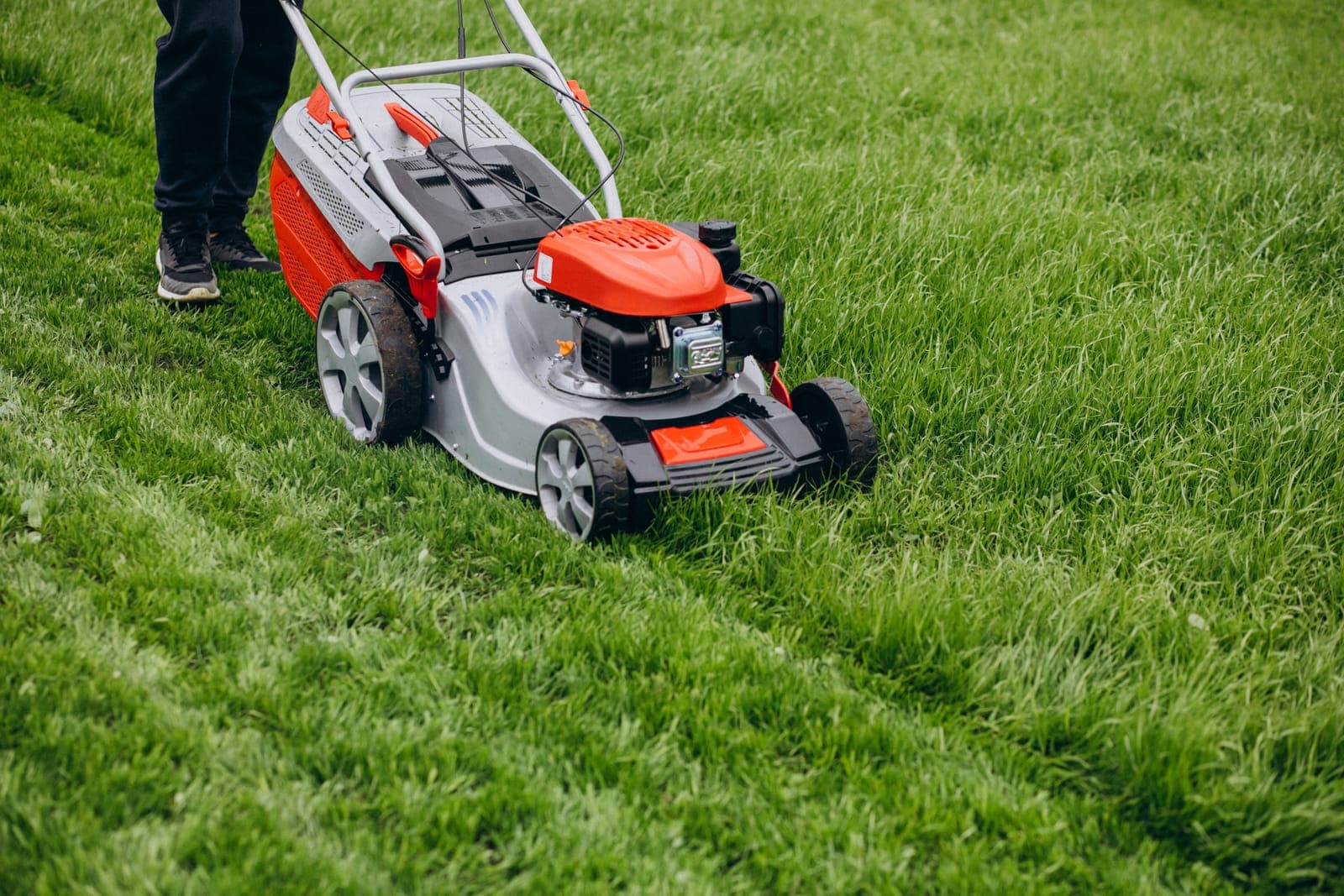
So the schedule matters more than the mower. We run weekly through the growing season and stretch to every other week once growth slows in late fall. That cadence keeps us inside the one-third rule: never remove more than a third of the blade in a single pass. Grass cut that way keeps its root reserves, shades its own soil, holds moisture through a dry week, and crowds out weeds without a single application of anything.
Cutting height is not a preference, it is agronomy
St. Augustine — the dominant turf on most established Corpus Christi and Portland lots — wants to be tall. Three and a half to four inches in summer. Scalped short, it loses the leaf area it needs to shade its own runners, the soil bakes, and you get the thin, patchy look people blame on watering. Bermuda is the opposite: it is a low-growing, aggressive grass that thickens when you keep it between one and two inches and goes stemmy and open if you let it run tall.
We identify what you have on the first visit and set the deck accordingly. If your yard is a mix — very common on lots that have been resodded in patches — we cut to the dominant grass and tell you which sections are fighting each other, because that is a sodding conversation, not a mowing one.
The parts people notice
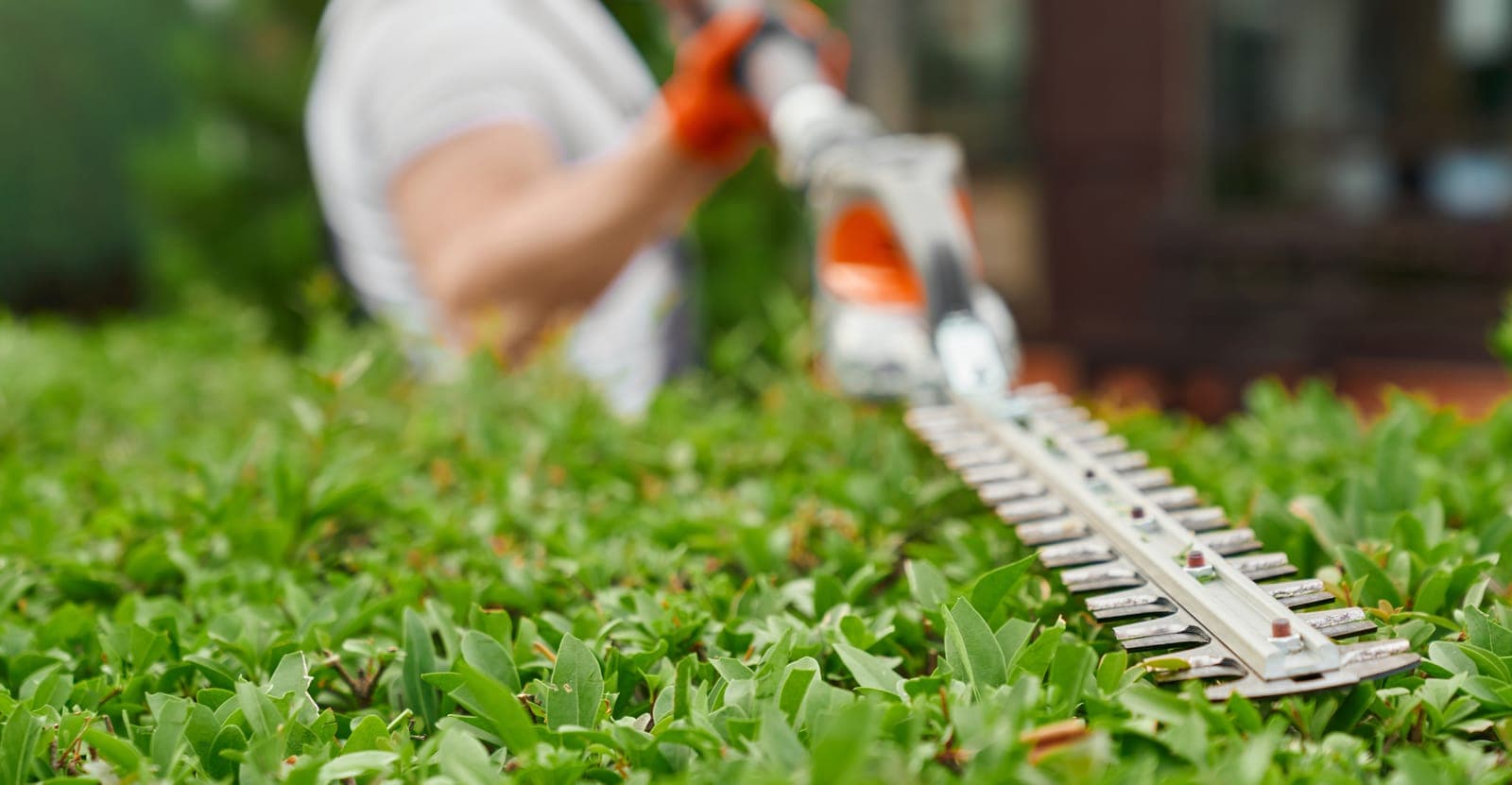
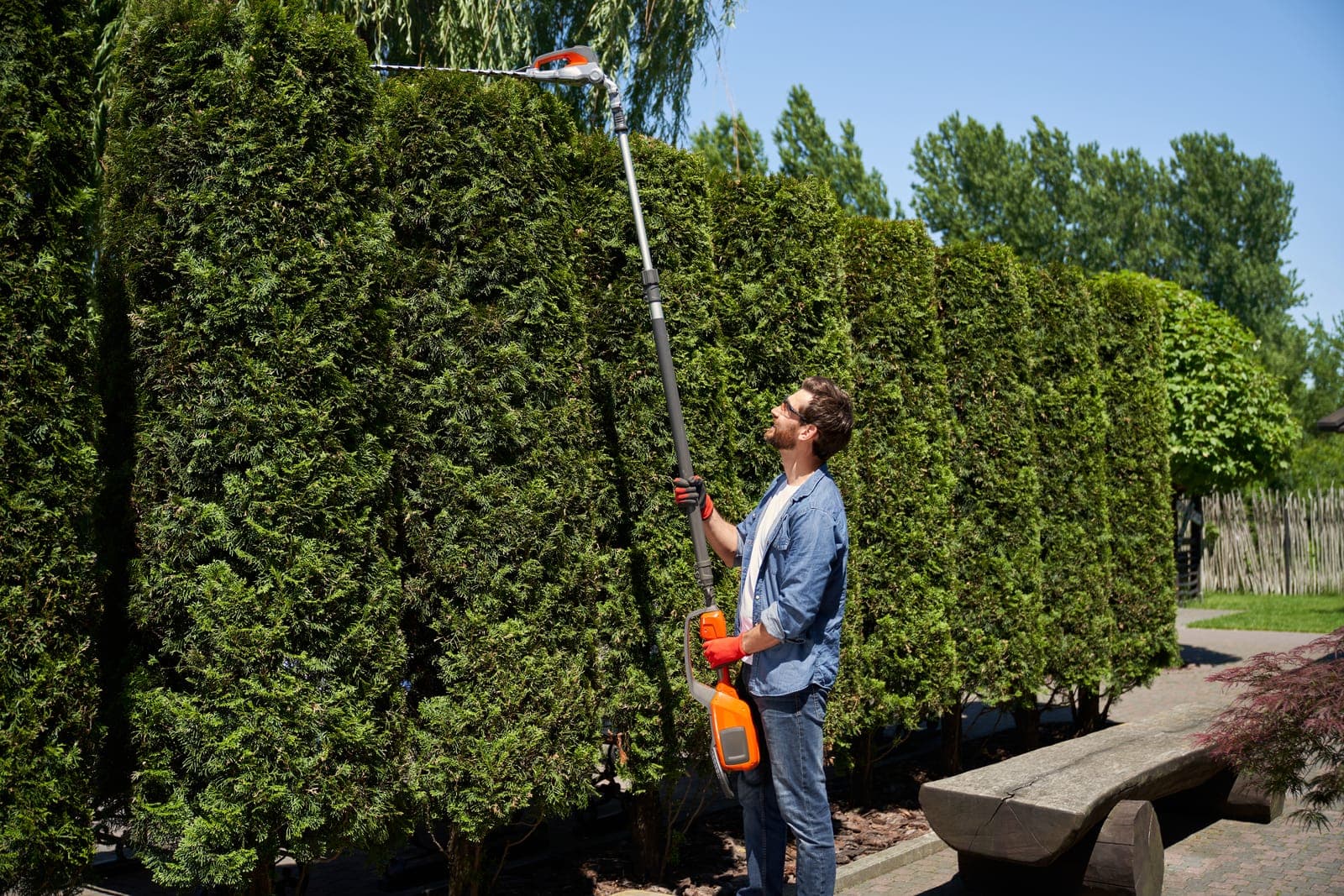
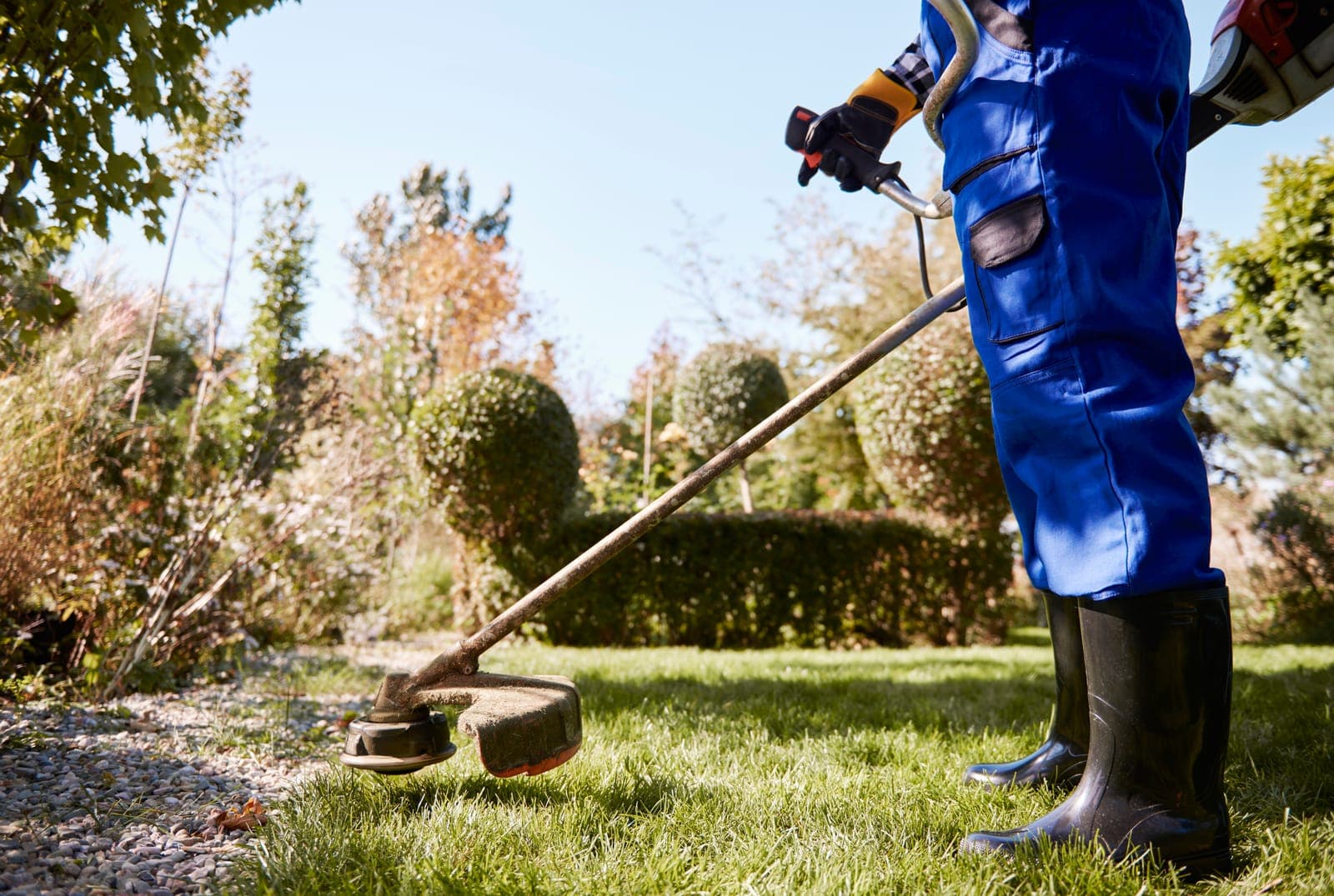
Anyone can push a mower across a yard. What separates a lawn that looks maintained from one that looks mowed is the edge work. We hard-edge along every concrete run — driveway, sidewalk, curb strip — so there is a clean vertical line instead of grass creeping over the slab. We line-trim around every obstacle: posts, meters, AC pads, tree rings, fence bases. Then we blow every clipping off the hard surfaces and back onto the turf, where the nitrogen belongs, instead of into the street where it ends up in the storm drain.
Clippings stay on the lawn unless there is enough volume to mat and smother it. Mulched clippings return a meaningful share of your nitrogen for free. Bagging every week is throwing away fertilizer you already paid for.
What we watch for while we are there
Every visit is also an inspection, and it costs you nothing. Chinch bug damage shows up as expanding, straw-colored patches in the hottest, sunniest part of a St. Augustine lawn, usually along a south-facing driveway edge, and it is routinely misdiagnosed as drought. Brown patch shows as roughly circular rings in humid fall weather. Take-all root rot thins turf in irregular patches where the runners pull up with almost no root attached.
We tell you what we see and what it means. Sometimes the answer is a treatment. Often the answer is that you are watering three times a week for ten minutes when you should be watering once for forty-five, and the fix is free.
Before and after
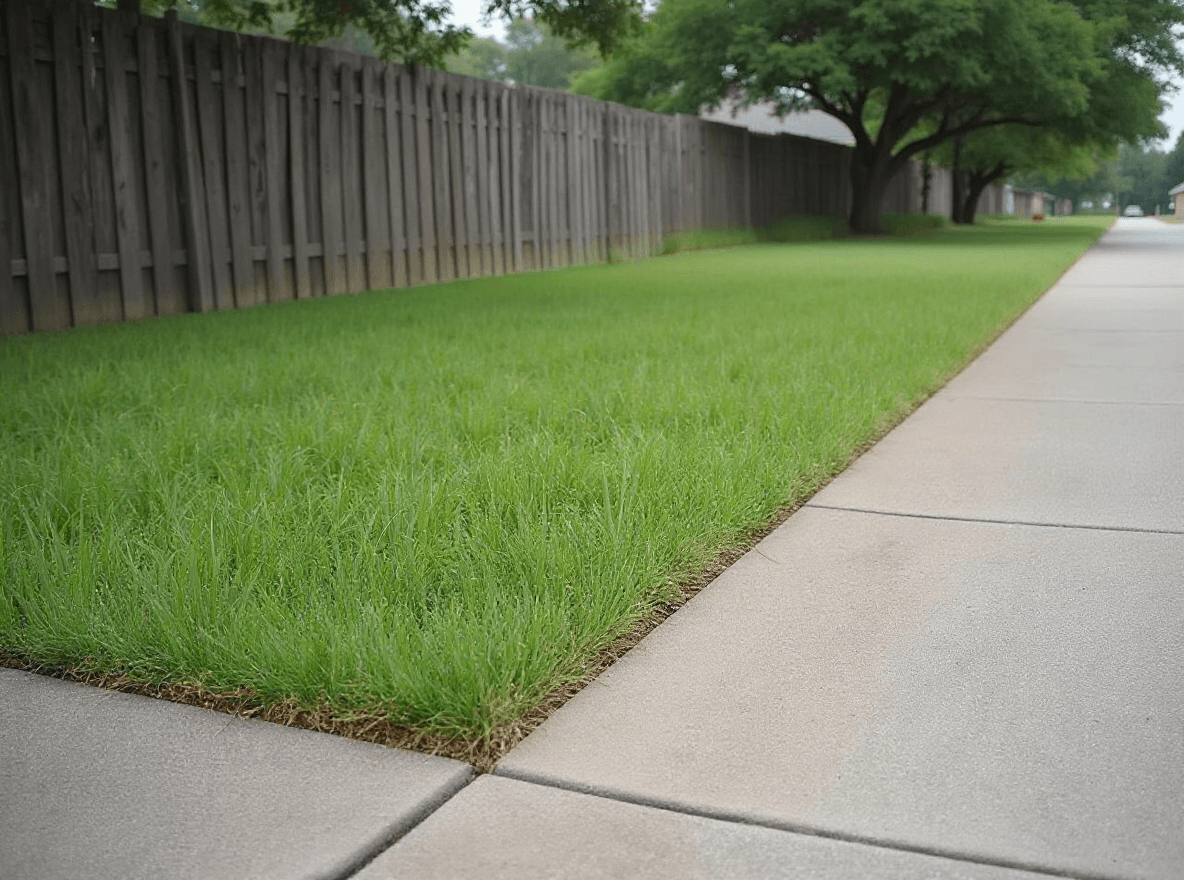
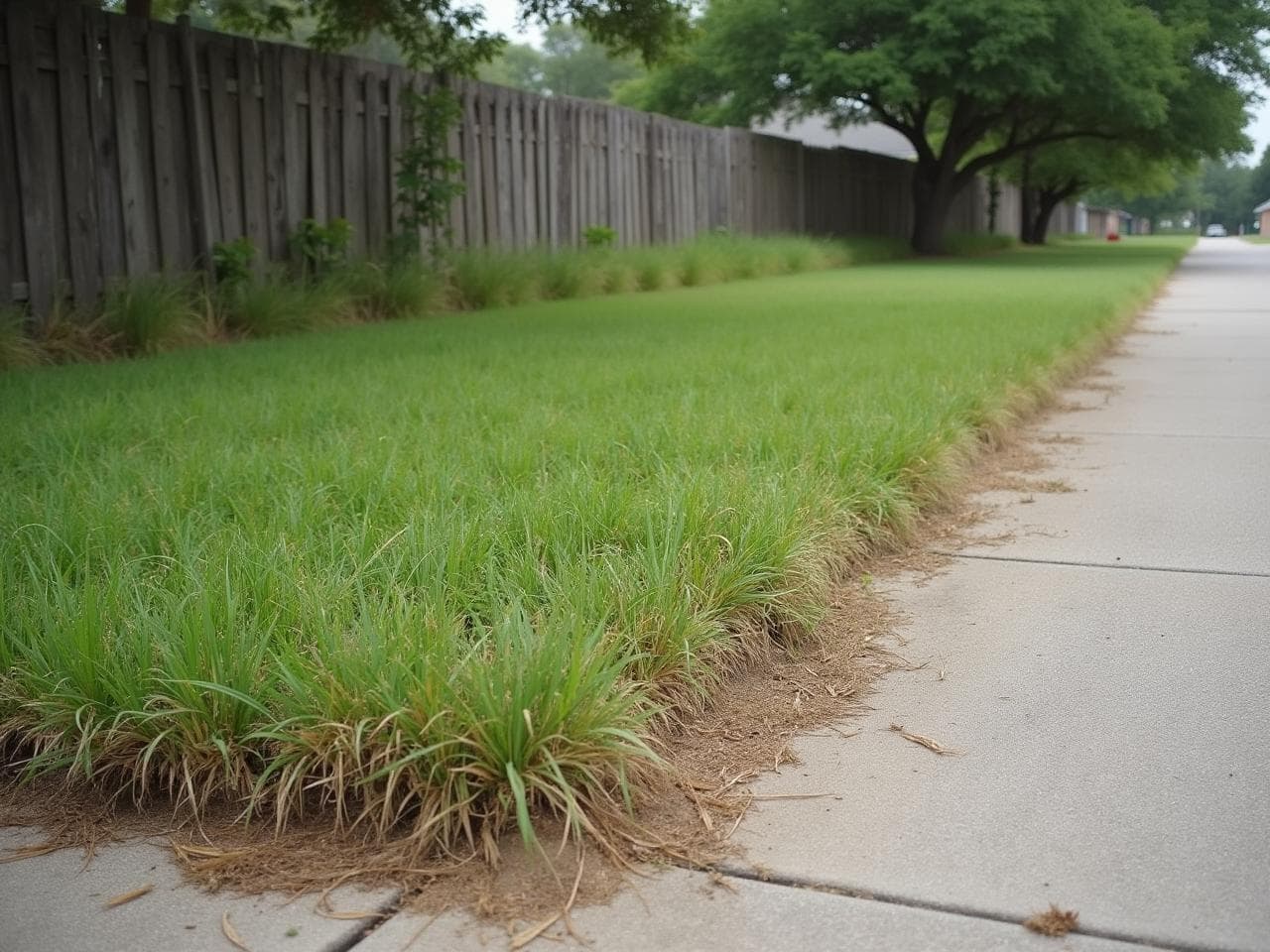
Hard vertical edge along the concrete and a clean trim line at the fence base — the two details that separate maintained from mowed.
Why this matters here
Most established lots from Calallen down through Flour Bluff are St. Augustine, which is the reason cutting height matters so much here — it is a tall-growing grass that people insist on scalping. Newer subdivisions in Portland and Robstown lean Bermuda, which wants the opposite treatment. Chinch bug pressure runs high along south-facing driveway edges from June through September and gets misread as drought stress almost every time. Lots within a mile of the bay carry salt in the wind, which stresses turf at the property edge first, so a thin strip along one fence line is usually wind, not neglect.
How a visit runs
- 01
Walk the lot
First visit, we walk the whole property with you. We identify your grass type, note the sprinkler heads and any low spots that hold water, flag anything we should not run a mower over, and agree on where clippings go.
One-time, free, about 15 minutes - 02
Mow to height, alternate the pattern
Sharp blades, correct deck height for your turf. We change mowing direction between visits so the grass is not repeatedly pushed the same way, which prevents grain and the ruts that come from running the same wheel line every week.
St. Augustine 3.5–4 in · Bermuda 1–2 in - 03
Hard-edge and trim
Vertical edge along all concrete, line-trim around every post, meter, pad, and bed. This is where most of the visible quality lives.
- 04
Blow clean, clippings back to turf
Every hard surface blown clear — driveway, walks, patio, entry. Clippings directed onto the lawn, not into the street or the storm drain.
- 05
Report what we saw
If we spotted insect damage, a fungal pattern, a broken sprinkler head, or a drainage problem, you hear about it that day with what we would do about it.
Scope
Included
- Mowing at the correct height for your grass type
- Hard edging along all concrete surfaces
- Line trimming around every obstacle and bed
- Blowing all hard surfaces clean
- Alternating mow pattern between visits
- Free turf health observations on every visit
- Sharp blades — we sharpen on a schedule, not when we notice tearing
Not included
- Fertilizer and weed control applications (quoted separately)
- Irrigation repair (we flag problems, a licensed irrigator fixes them)
- Tree work above ladder height
- Bagging and hauling clippings on every visit (available on request)
- Leaf removal for heavy seasonal drop (see Yard Cleanup)
Questions about lawn care
Weekly from roughly March through October, every other week in November through February. Growth in a Coastal Bend summer is fast enough that a two-week gap means cutting off more than a third of the blade at once, which stresses the grass and causes the yellowing people blame on the heat.