Wash service
Roof Soft Washing
Shingle-safe roof cleaning at low pressure that kills the Gloeocapsa magma causing black streaking. Never pressure. Never a brush. Following the manufacturer-recognized method for asphalt shingles.
From $349 · Priced on roof surface area with pitch and access as the biggest modifiers. A single-story, low-pitch roof with clear ground access sits at the bottom. Steep pitch, two or three stories, complex valleys, heavy growth needing extended dwell, and dense foundation plantings requiring extra protection move it up. Commonly bundled with gutter cleaning at a reduced combined rate.
Those black streaks running down your roof are a cyanobacteria called Gloeocapsa magma. It feeds on the limestone filler in asphalt shingles, holds moisture against the roof surface, and darkens the roof enough to measurably raise attic temperature. In a climate with our humidity it is nearly universal on any roof over about eight years old.
It is also the single most commonly damaged surface in this industry, because the instinct is to blast it and the consequence is invisible until it is expensive. Asphalt shingles are protected by a layer of ceramic granules embedded in the asphalt. Those granules are the roof's UV protection and its entire service life. Pressure knocks them loose. So does a stiff brush. A roof that has been pressure washed looks dramatically better for a season and then ages several years in one — and you find out when it starts leaking, long after the crew has cashed the check.
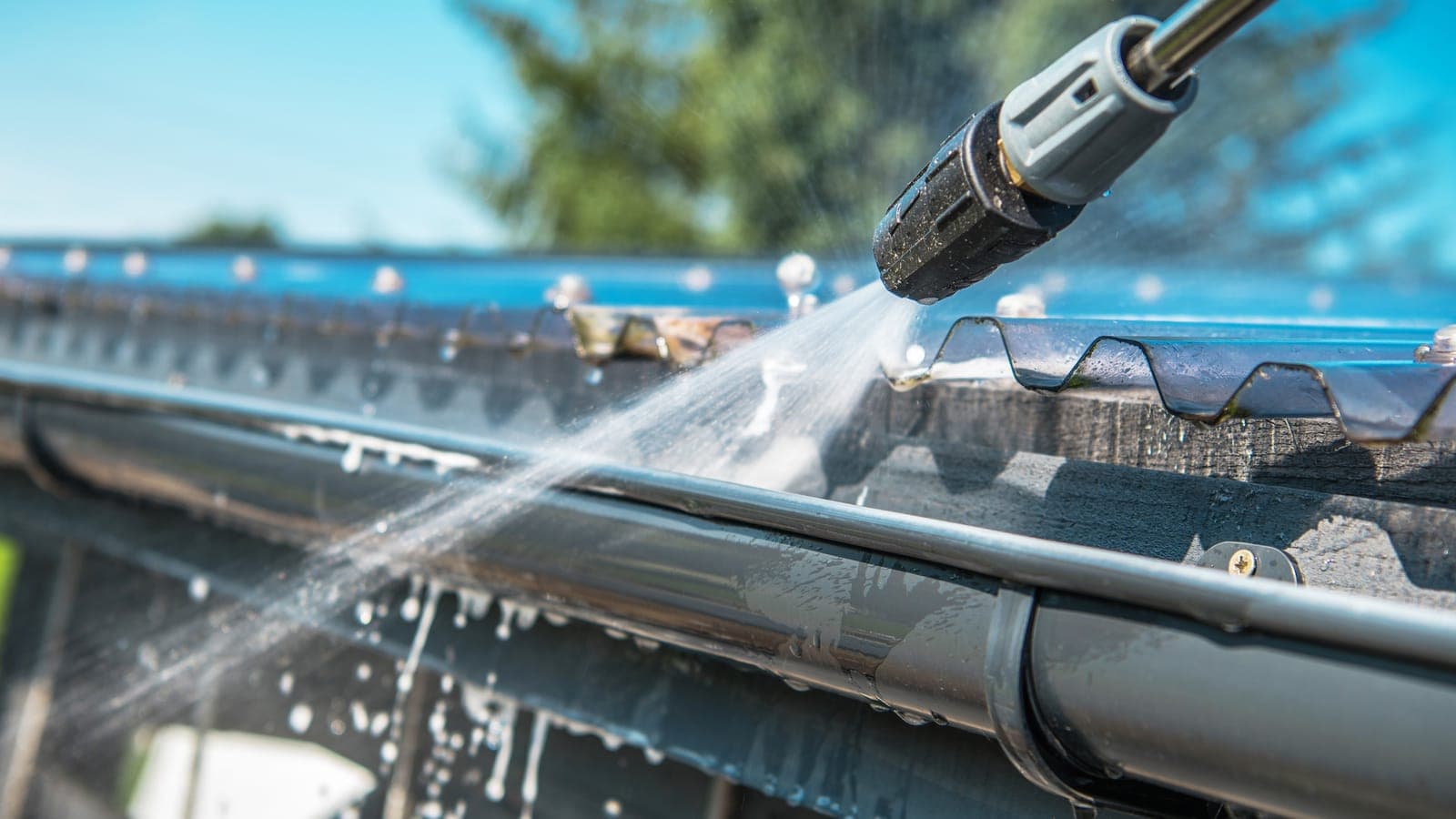
The only correct method
The asphalt shingle industry's recognized approach — the one published in ARMA's technical guidance — is a dilute sodium hypochlorite solution applied at low pressure, allowed to dwell, and rinsed with minimal force. No pressure. No agitation. No brushing.
Applied correctly, the organism dies and the streaking clears as the dead colony weathers off over the following days and weeks. Some clearing is immediate, and the rest continues after we leave — which is worth knowing so you are not disappointed on the afternoon we finish. It is also why we photograph the roof before we start and encourage you to look again in three weeks.
What we protect on the way
Roof runoff goes somewhere, and on most houses that somewhere is your foundation plantings. Every plant along the drip line gets soaked before we start and rinsed after. Downspout discharge points get diverted or flooded with clean water. Metal — flashing, valley metal, gutters, roof vents, satellite mounts — gets rinsed thoroughly so nothing sits on it.
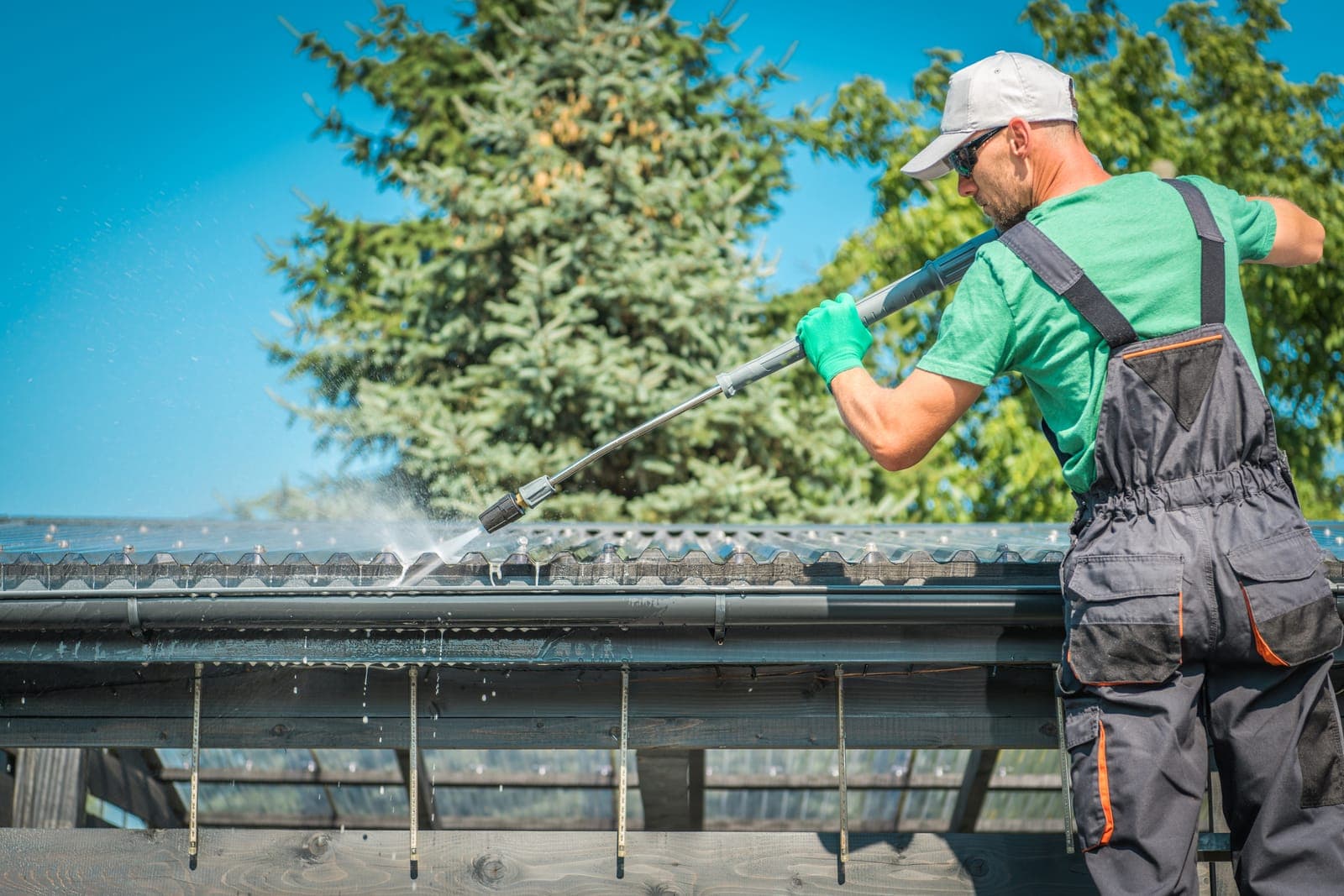
We also stay off the roof as much as physically possible. Foot traffic on hot asphalt shingles does its own granule damage. Most roofs can be treated entirely from a ladder and an extended applicator, and that is how we prefer to do it.
Other roof types
Metal roofs are common on newer construction and coastal properties here. They clean well but need a mix that will not attack the coating, and rinsing is more important because standing solution on a painted metal panel can dull it. Tile roofs are durable but brittle underfoot and their underlayment is the real vulnerability. Flat and low-slope membrane roofs are a specialty case — we will tell you honestly if yours is outside what we should touch.
Before and after
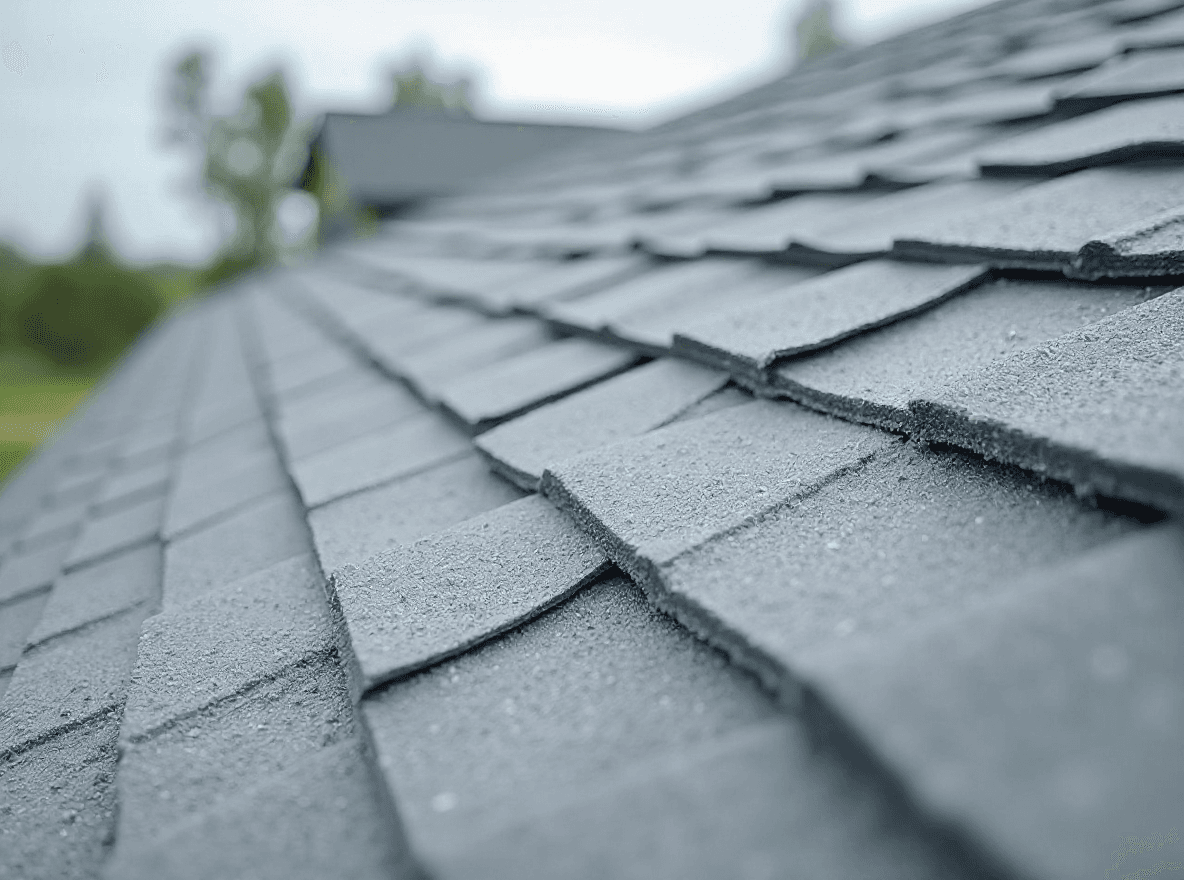
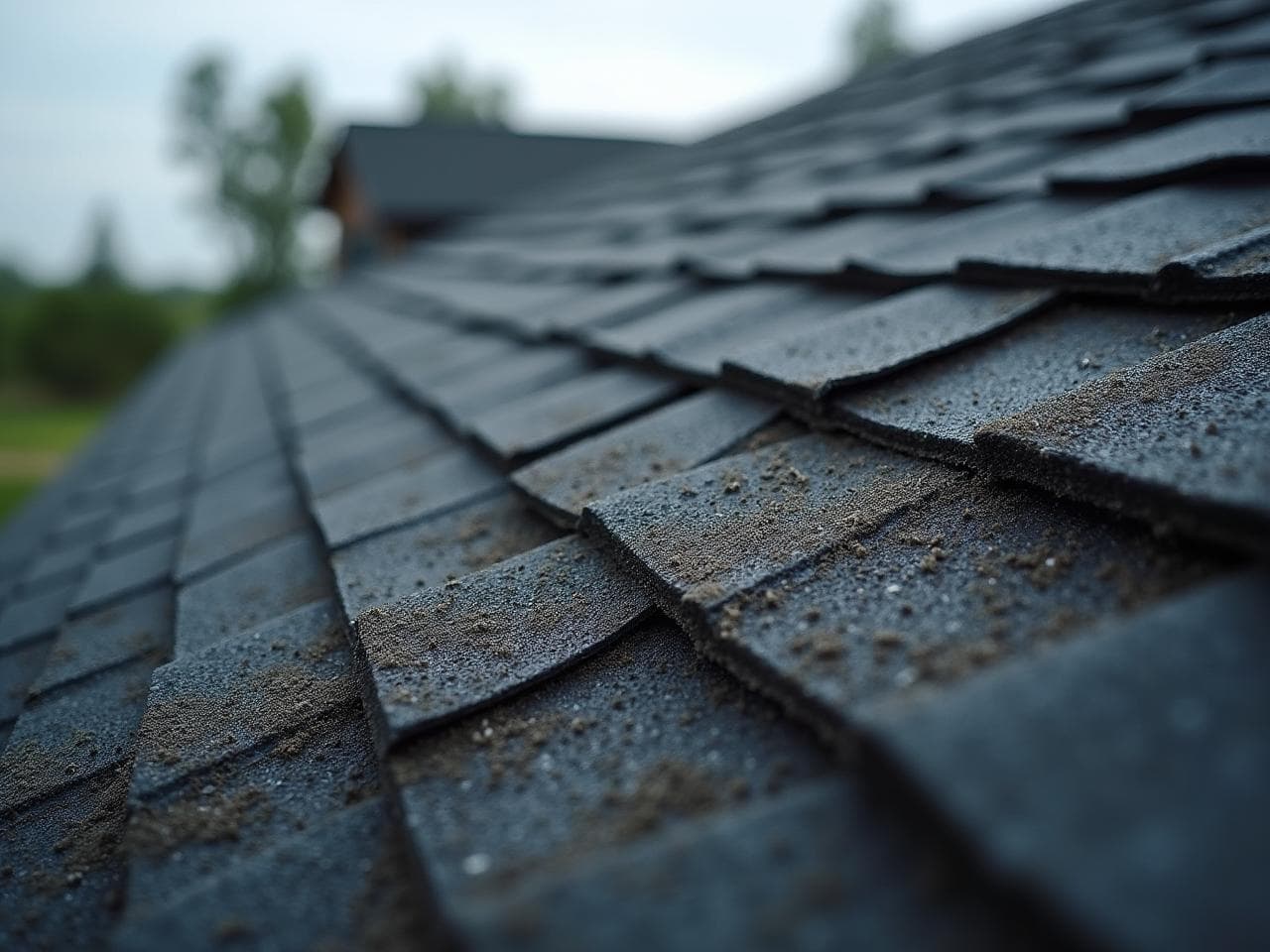
Low-pressure soft wash only. Granules intact — compare the texture at the shingle edges, which is what pressure washing destroys.
Why this matters here
Gloeocapsa magma is close to universal on Coastal Bend roofs over eight years old — our humidity and warm nights are close to ideal growing conditions, and the north slope of a shaded roof is almost always worst. Coastal properties from Rockport through Port Aransas have a high share of metal roofing, which cleans well but needs a gentler mix and much more thorough rinsing to protect the coating. Live oak canopy across older Corpus Christi neighborhoods drops organic debris continuously, feeding growth year-round rather than seasonally. And after any tropical system, debris trapped in valleys holds moisture against shingles and accelerates streaking noticeably within a single season.
How a visit runs
- 01
Inspect from the ground and the ladder
We assess shingle condition, look for lifted or missing tabs, check the state of flashing and valleys, and photograph the roof. If the shingles are near the end of their life, we tell you cleaning is not the right spend.
- 02
Protect the drip line
Every plant below the roof edge soaked with clean water. Downspout discharge diverted. Anything sensitive below covered.
- 03
Apply at low pressure from the edge
Dilute sodium hypochlorite applied with a low-pressure applicator, working in sections, minimizing time on the roof surface itself.
Under 100 PSI at the shingle - 04
Dwell — no pressure, no brush
The solution kills the organism while it sits. This is the entire job. Nothing is scrubbed and nothing is blasted, because either would take granules with it.
Dwell 15–20 min - 05
Low-pressure rinse and metal flush
Gentle rinse, plus a thorough flush of all flashing, valley metal, gutters, and vents so no solution is left standing on metal.
- 06
Rinse below and set expectations
Second rinse of all plantings, walks, and siding below the roof. We explain that clearing continues over the next few weeks and encourage a follow-up look.
Scope
Included
- Roof condition inspection and before photos
- Full low-pressure soft wash of the treatable roof area
- Plant pre-wet and post-rinse along the entire drip line
- Thorough flush of all flashing, valley metal, gutters, and vents
- Rinse of siding and hard surfaces below the work
- An honest read on whether your roof should be cleaned at all
Not included
- Any pressure washing or brushing of shingles — we will decline this if asked
- Roof repair, shingle replacement, or sealing
- Gutter interior cleaning (see Gutter Cleaning, commonly bundled)
- Roofs steeper than safe access allows, or shingles near end of life
- Flat or low-slope membrane roofs without a separate assessment
Questions about roof cleaning
Not the way we do it. Damage comes from pressure and brushing, which dislodge the ceramic granules that are your roof's UV protection and its service life. We apply a dilute solution at under 100 PSI, let it dwell, and rinse gently — the method the asphalt shingle industry itself recognizes. We will refuse a request to pressure wash a shingle roof.